
Humans are the strangest of species, unmatched in our potential for creativity and unfortunately, as has become very clear in recent times with climate change as well as a multitude of other issues, for destruction.
A class trip to the capital made this very apparent, the National Museum of Ireland was the first stop and showcased the full range of what people have managed to produce over avast time frame.
Intricately engraved Instruments, works of art and the Eileen Gray exhibition demonstrated our collective potential to make our environment and our lives more beautiful and vibrant. You could spend hours appreciating our potential to create and innovate as you wander about the museum, some of the items on display are so masterfully crafted you'd wonder how people could make them in the era they were made.
Eileen Gray's exhibition showcased how one individual with a new perspective on design can influence an entire field and open the door to creating things people weren't able to conceptualise before, benefiting us all by expanding the range of what we thought possible, influencing and changing the aesthetics of our environment and improving our lives through better design.
On the other end of this spectrum were the suits of armour, the swords, cannons and guns so massive they border the absurd. Possibly the most obvious example of how destructive we can be at times is our obsession with the manufacture of more effective, efficient instruments of death, in the modern age we have gotten to a stage where we quite literally could end up scorching the rock we all share with te newest developments in weaponry. Although that might sound a bit farce, the truth is, we're closer to destroying ourselves than we realise.
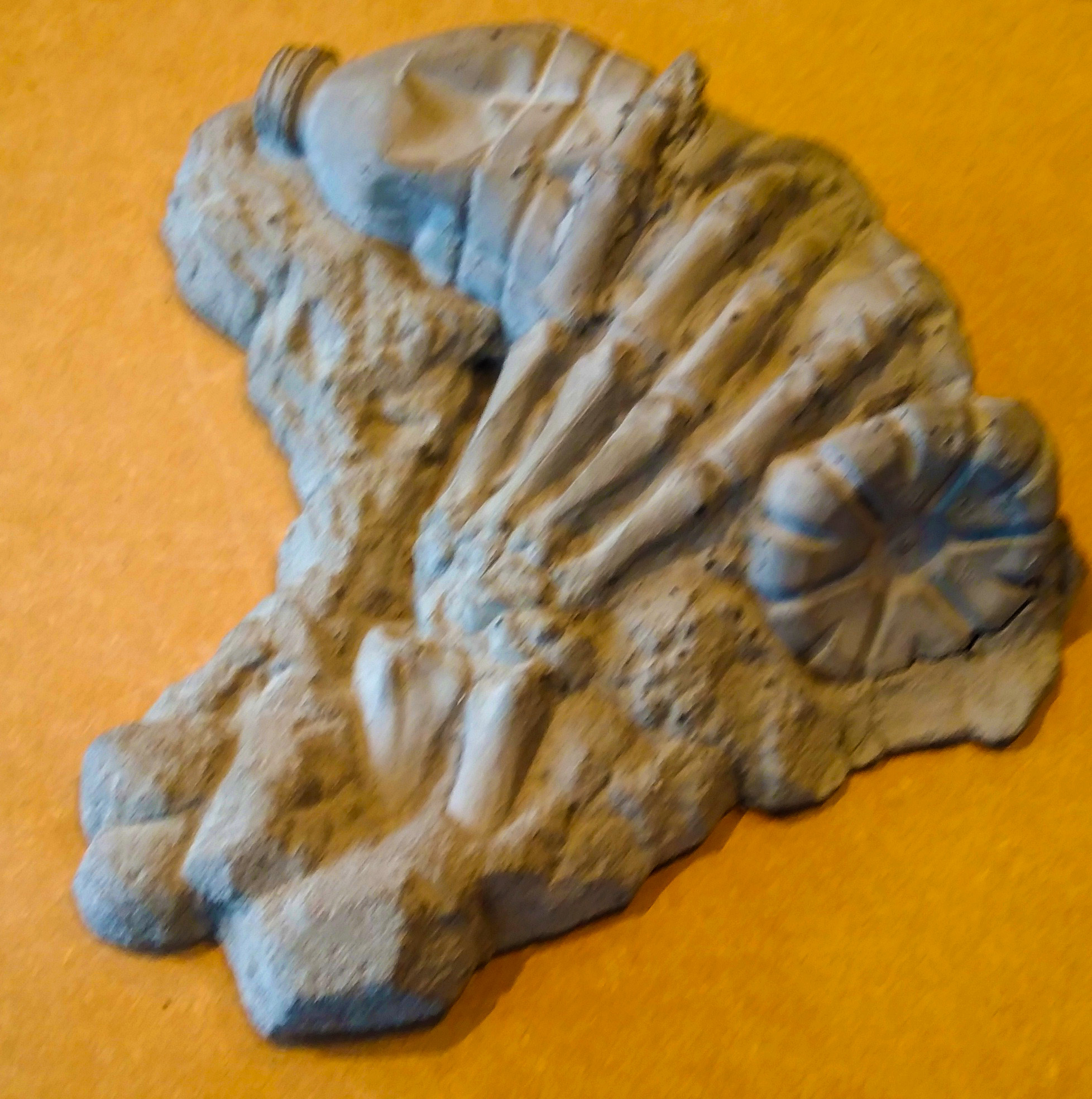
The Science Gallery was what drove this point home for me, 'In case of emergency' really highlighted how detrimental the species can be not only to ourselves, but to other species and the planet we all collectively share. Doomsday clocks lined the left side wall as you entered the space, a timeline of exactly how much we happen to fluctuate between self-harm and self-preservation. Essentially, the closer that the minute hand gets to midnight, the higher the likelihood of complete destruction of our planet and ourselves, as of now, its the closest its been to midnight since the Cold War, I guess with our collective thirst for fossil fuels accelerating climate change at an unnatural rate, the waste and pollution we produce and every time Trump tweets something have played no small part our situation becoming so precarious. It was eerie looking at the mock fossil of a human hand clutching a plastic bottle, a glimpse at the legacy we could leave behind us if we fail in creating a sustainable model for how we manufacture and consume goods.
On the opposite end of the exhibit to all this doom and gloom were a few examples of how people are attempting to change our world for the better, with scaled up models of concepts for nanotechnology which could potentially revolutionise the overall health of people as well as a multitude of creations by citizen scientists:
''SPARKS shows how ordinary people are harnessing science in all sorts of ways, from patient innovation to tackling public health challenges such as air pollution, antibiotic resistance and disease outbreaks...these DIY science pioneers are challenging our ideas of what science and our societies will look like in the future.''
I guess we all play some part in the direction society as a whole goes, we can continue to use outdated systems which will lead to the gradual destruction of our planet and ultimately ourselves, or, we can choose to innovate and create to bring us into a brighter, more sustainable future.
Those of us who have roles in design, manufacture and the consumption of products will have to take responsibility for how we produce and consume these goods rather than continuing to ignore the issues arising from unsustainable or harmful practices before they reach a critical mass where we cannot reverse the damage we have caused. The decision is ours as to where we want the road to lead from here.
Next post